
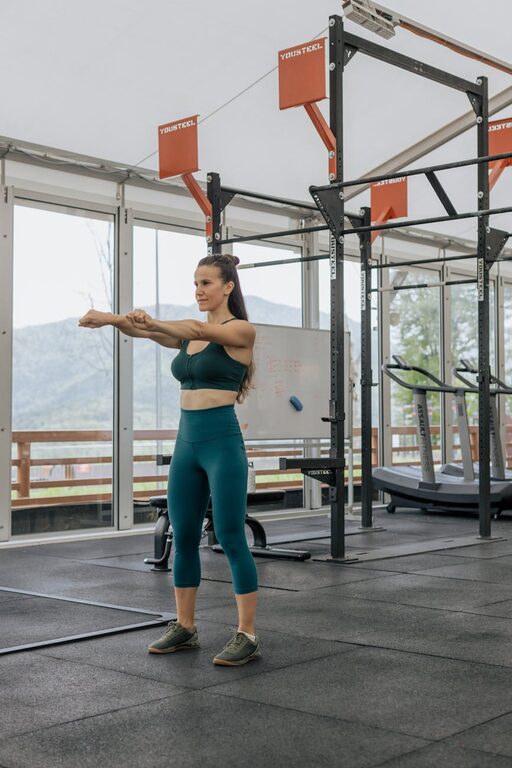
Stretching is a simple yet powerful practice that can improve your flexibility, increase circulation, and help you feel more relaxed throughout the day. Whether you’re new to fitness or just looking to add a calming routine to your day, stretching at home is an excellent place to start. This beginner’s guide will walk you through the basics of stretching, share tips for doing it safely, and introduce easy stretches you can try right now.
Why Stretch at Home?
Stretching has many benefits, and doing it at home means you can fit this healthy habit into your schedule without any special equipment or gym membership. Some advantages include:
– Improved flexibility and range of motion
– Reduced muscle tension and stiffness
– Better posture and balance
– Enhanced circulation and energy levels
– A peaceful moment to focus on yourself and reduce stress
You don’t need to dedicate hours; even a few minutes a day can make a difference.
Getting Started: Stretching Tips for Beginners
Before diving into specific stretches, here are a few important things to keep in mind:
1. Warm Up First
Stretching cold muscles can lead to injury. Warm up with light activities like marching in place, walking around your home, or gentle arm swings for 3 to 5 minutes. This gets your blood flowing and prepares your body.
2. Stretch Gently and Slowly
Avoid bouncing or forcing your body into uncomfortable positions. Move slowly into each stretch until you feel a gentle pull, not pain.
3. Breathe Deeply
Breathing deeply helps relax your muscles and can improve the effectiveness of your stretches. Inhale through your nose and exhale through your mouth steadily.
4. Hold Stretches for 15–30 Seconds
Maintain each stretch for about 15 to 30 seconds. This duration allows your muscles to lengthen safely.
5. Stretch Regularly
Make stretching a consistent habit. Daily or every other day is ideal for steady improvement in flexibility.
Basic Stretches to Try at Home
Below are some beginner-friendly stretches you can easily do anywhere at home. Aim to hold each stretch for 20 seconds and repeat 2 to 3 times.
Neck Stretch
– Sit or stand tall.
– Slowly tilt your head to the right, bringing your ear toward your shoulder.
– Hold, then switch to the left side.
– This helps relieve tension in your neck and shoulders.
Shoulder Rolls
– Sit or stand with your arms at your sides.
– Roll your shoulders forward in a circular motion 10 times.
– Reverse and roll them backward 10 times.
– This loosens shoulder stiffness and increases mobility.
Chest Stretch
– Stand in a doorway with your hands placed on the door frame at shoulder height.
– Step forward gently until you feel a stretch across your chest.
– Hold and breathe deeply.
– This opens up your chest and counters slouching.
Seated Forward Fold
– Sit on the floor with legs extended straight in front of you.
– Hinge at your hips and reach toward your toes without rounding your lower back.
– Feel the stretch along your hamstrings and calves.
– Keep your knees slightly bent if needed.
Cat-Cow Stretch (for spine flexibility)
– Begin on hands and knees in a tabletop position.
– Inhale and arch your back, lifting your head and tailbone (cow position).
– Exhale and round your spine, tucking your chin and pelvis (cat position).
– Repeat slowly 8 to 10 times to improve spinal mobility.
Seated Spinal Twist
– Sit cross-legged or with legs extended.
– Place your right hand behind you for support.
– Inhale, lengthen your spine, exhale and twist your torso to the right.
– Hold, return to center, then repeat on the left side.
– This stretch enhances spinal rotation.
Standing Quadriceps Stretch
– Stand tall and hold onto a chair or wall for balance if needed.
– Bend your right knee and bring your heel toward your buttocks.
– Grab your ankle with your right hand.
– Keep knees close and push your hips slightly forward.
– Hold, then switch legs.
Creating a Simple Stretching Routine
To get the most from your stretching, try organizing your stretches into a short routine. Here’s an example beginners’ routine that takes about 10–15 minutes:
- Warm up – 3 minutes (marching or walking)
- Neck Stretch – 20 seconds each side
- Shoulder Rolls – 10 forward, 10 backward
- Chest Stretch – 20 seconds
- Seated Forward Fold – 30 seconds
- Cat-Cow Stretch – 8 repetitions
- Seated Spinal Twist – 20 seconds each side
- Standing Quadriceps Stretch – 20 seconds each side
You can do this routine in the morning to gently wake your body or in the evening to unwind after a long day.
When to Be Cautious
Stretching is generally safe, but pay attention to your body’s signals. Avoid stretches that cause sharp or intense pain. If you have existing injuries or health conditions, consult a healthcare professional before starting a new stretching routine.
Final Thoughts
Incorporating stretching into your daily life is a wonderful way to care for your body and mind. It can improve your posture, ease muscle tension, and leave you feeling refreshed. Start with these beginner-friendly stretches at home and gradually add more as your confidence and flexibility grow. Remember, consistency is key, so take a few minutes every day to stretch and enjoy the benefits.
Happy stretching!