
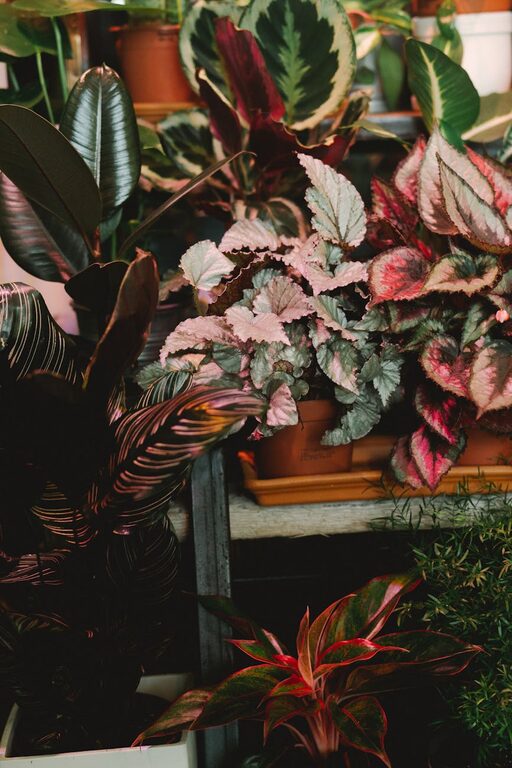
Bringing houseplants into your home is a wonderful way to add life and color to your living space. Not only do they enhance your home’s aesthetic, but they can also purify the air and boost your mood. However, keeping houseplants healthy requires some basic knowledge and regular care. Whether you’re a seasoned plant parent or just starting out, these essential tips will help your indoor garden thrive.
Understanding Your Houseplants' Needs
Each plant species has unique requirements when it comes to light, water, soil, and temperature. Understanding these needs is the first step toward successful plant care.
1. Light Requirements
Plants rely on light for photosynthesis, so place them where they receive the proper amount of light:
– Bright indirect light: Many tropical houseplants, like peace lilies and pothos, prefer bright but indirect sunlight. Avoid direct sun that can scorch their leaves.
– Low light: Some plants, such as snake plants and ZZ plants, can tolerate low light conditions but still need some light to thrive.
– Direct sunlight: Succulents and cacti generally thrive in direct sunlight, so place them near south- or west-facing windows.
2. Watering Wisely
Watering is a common challenge for indoor gardeners. Both overwatering and underwatering can harm plants.
– Check soil moisture: Before watering, feel the top inch of soil. If it’s dry, it’s usually time to water.
– Use the right amount: Water thoroughly but let excess drain out. Avoid letting plants sit in standing water to prevent root rot.
– Adjust by season: Most plants need less water in winter when growth slows.
3. Soil and Potting
Good soil and the right pot make a significant difference.
– Choose quality potting mix: Use a well-draining soil mix appropriate for your plant type.
– Pick pots with drainage holes: Proper drainage prevents waterlogging and root diseases.
– Repot when needed: If the plant outgrows its pot or soil becomes compacted, repotting with fresh soil revitalizes the plant.
Essential Care Practices for Thriving Plants
Beyond the basics, there are several care habits that keep your houseplants in prime condition.
1. Humidity and Temperature
Most houseplants originate from tropical climates and appreciate humidity.
– Increase humidity: Use a humidifier, group plants together, or place trays with water nearby.
– Maintain stable temperature: Avoid placing plants near drafts, heaters, or air conditioning vents.
2. Feeding Your Plants
Plants require nutrients to grow strong.
– Use balanced fertilizer: Feed your plants with a balanced, water-soluble fertilizer every 4–6 weeks during the growing season (spring and summer).
– Reduce feeding in winter: Plants grow more slowly in cooler months and require fewer nutrients.
3. Pruning and Cleaning
Regular maintenance keeps plants healthy and attractive.
– Remove dead leaves: Trim away yellow or brown leaves to prevent disease.
– Pinch back leggy growth: Encourage bushier growth by pinching off stems.
– Clean leaves: Dust leaves gently with a damp cloth to allow efficient photosynthesis.
Common Houseplant Problems and How to Fix Them
Even with good care, issues may arise. Here’s how to tackle common problems:
1. Yellow Leaves
Often caused by overwatering, underwatering, or poor light. Adjust watering frequency and check placement.
2. Brown Leaf Tips
Low humidity, underwatering, or excess fertilizer can cause browning tips. Increase humidity, water appropriately, and avoid overfertilizing.
3. Pests
Common pests include spider mites, aphids, and mealybugs.
– Inspect plants regularly: Look under leaves and around stems.
– Use gentle remedies: Wipe with soapy water or use insecticidal soap as needed.
4. Slow Growth
May stem from insufficient light, lack of nutrients, or crowded roots. Move your plant to better light, fertilize, or consider repotting.
Additional Tips for Success with Houseplants
– Rotate your plants occasionally to promote even growth.
– Keep track of watering and feeding schedules.
– Learn about each plant’s specific care requirements—you can find this information on plant tags, books, or reputable websites.
– Enjoy the process and be patient; plants often recover with consistent attention.
Conclusion
Caring for houseplants isn’t difficult once you understand their needs. By providing appropriate light, water, humidity, and nutrition, plus regular maintenance, your indoor plants will thrive and bring natural beauty into your home for years to come. Happy gardening!